What Happens If I Don't Seal My Concrete Driveway?
From our experience working in concrete repair, if you don't seal your driveway or sidewalk in West Virginia, Ohio, or Kentucky, this is one of the quickest ways to cause cracks and surface damage.
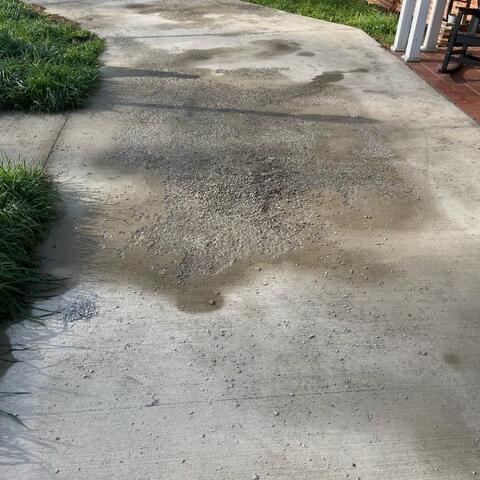
Did you know that your concrete is part of your home's foundation? It's true. And even beyond your driveway and sidewalk, you should always consider sealing your patio, pool deck, steps, porch, and garage floor. Without the seal, it's exposed to harsh weather that leads to water intrusion and soil erosion, creating sinking, uneven concrete with cracks that will expand and worsen over time.
With our freeze-thaw cycles and heavy rain and flooding in the Ohio Valley, it's important that we proactively protect the concrete and provide the right protection early.
Why Should I Seal My Concrete Driveway?
You may notice little things: a few small cracks, unevenness, or some chipped pieces. These don't get better over time; they get worse and more costly to fix. Not only that, they affect the safety of you, your family, and your home. If you're concerned about tripping over your driveway or sidewalk, slipping on ice formed by pooled water, or, even worse, settled concrete directing water into your basement or crawl space, it's worth investing now.
What Damage Should I Look For In My Unsealed Concrete?
Initial observations may point to:
• Settled or sinking concrete
• Softening or eroding soil beneath the concrete slabs
• Uneven concrete
• Cracked concrete
• Pitting, flaking, or deteriorating concrete surfaces
How Does The Tri-State Climate Impact My Concrete Driveway?
Since the tri-state region experiences heavy rainfall and flooding annually, you may notice more cracks and settling in your driveway due to water saturation and soil erosion, especially if your concrete isn't sealed.
We also have significant freeze-thaw cycles throughout the fall and winter, which allows the concrete to expand and contract. When it's warm, the heat causes the joints and cracks to widen, collect debris, and then, once it cools down, the concrete contracts, but the incompressible material is still there. The concrete grows a little each time. This can also happen on your street or curb, pushing it into your home's driveway!
Finally, the hot summers lead to UV exposure, which breaks down the concrete surface, causing flaking and deterioration over time.
How Would a Concrete Repair Specialist Fix My Driveway?
If your concrete driveway hasn't been sealed, it can be repaired. Rather than a costly replacement that is disruptive and ruins your landscaping, a concrete repair specialist can lift and stabilize sinking concrete with modern, high-density polymer foam. They can repair the cracks and joints with a silicone-based sealant that protects from water infiltration and reduces soil erosion and softening beneath the slab.
The end result is a restored, even surface that's supported from underneath. Your driveway will feel safe to walk on and regain that clean, fresh look, adding curb appeal back to your front yard.
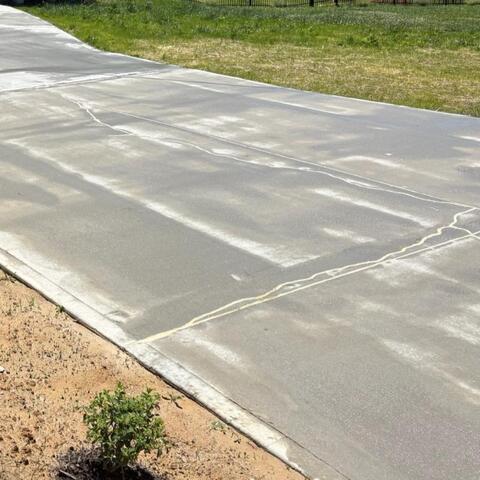
Learn more about Alford Foundation and Crawl Space Repair's solutions for concrete repair and unsealed concrete driveways.