Wet Spring Incoming: Basement & Crawl Space Prep for Appalachian Tri-State Homes
Why Moisture From Spring Weather Brings More Challenges Than Other Seasons
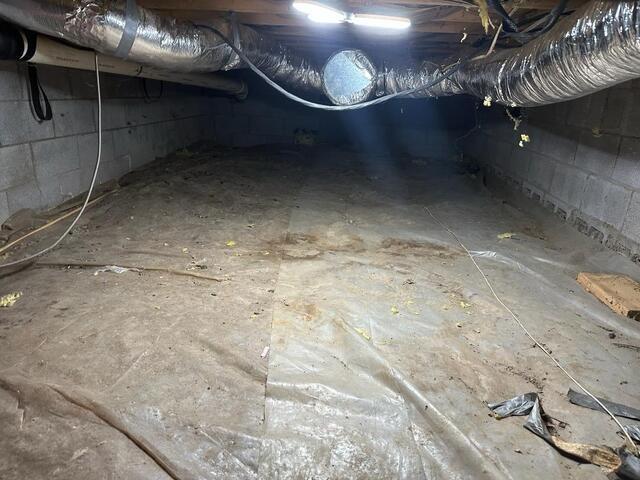
Our region is absolutely beautiful in the springtime, there's no doubt. The dogwoods, wildflowers, mountain views, rushing rivers, and creeks are a sight to see and experience.
But the Ohio Valley and Tri-State region in West Virginia, Ohio, and Kentucky is also prone to heavy rain due to elevated atmospheric temperatures and moisture trapped in the air.
Because we have such a steep Appalachian terrain and both continental and subtropical climate zones, we experience frequent storm systems that lead to flash flooding and often severe damage! In higher elevations, snow and ice melt in late winter, so that water runoff also becomes an issue in our crawl space and basements.
The rain, higher humidity levels, and clay soil bring the perfect storm for foundation settlement. This can also impact your foundation walls, flooring, drywall, ceilings, and the structural elements of your home.
Here's how to get ahead of the rainy season by prepping your basement and crawl space now!
How to Prepare Your Basement for the Spring Wet Season
Your Spring Basement Checklist:
- If you find mold and are experiencing smell damp carpets, increased energy bills, or even asthma and allergies, call a professional immediately.
- Check if your sump pump is on and working properly, and make sure there isn't an open hole adding to the moisture problem
- If you have sticking windows and doors, get an inspection
- Fix the grading around your home, if it's pitched toward your foundation
- Clear out your gutters and bury pipes underground to carry water away from the basement
- Get proper interior and exterior drainage; not a curtain drain
- Make sure you have drainage around doorways and stairs leading to the outside
- If your water heater leaks, get a ring
- Get waterproof basement flooring
- Get a dehumidifier capable of keeping your entire basement dry at all times
- Get basement waterproofing and install a vapor barrier for long-term protection
How to Prepare Your Crawl Space for the Spring Wet Season
Your Spring Crawl Space Checklist:
- Seal holes, cracks, or gaps in your walls
- Close open vents, windows, or doors
- Replace wet, moldy, or falling insulation
- Replace rotting or weakened support beams or floor joists
- Check if your sump pump is on and working properly; make sure there isn't an open hole adding to the moisture problem
- Get an understructure inspection if you find sticking doors or windows; uneven, bouncy, or buckling floors
- Make sure insulation isn't damp and is installed properly; get rid of paper insulation (it's a mold playground!)
- Replace rusty cables
- Replace moldy, softened, or rotted load-bearing girders and floor joists (termites love wet wood, too)
- Get a dehumidifier capable of keeping your entire crawl space dry at all times
- If you find mold and are experiencing mildew smells, higher energy bills, or even asthma and allergies, call a professional immediately.
- Get an encapsulation for long-term protection
Signs You Need Immediate, Professional Help
If you want the work done right by a team of experts, we recommend professional assistance for all of these repairs.
However, call us immediately if you find cracks in your foundation, bowing walls, failing beams or floor joists, water that appears every storm, your sump is constantly running or not at all, floors are bouncing and starting to sag, or if mold is spreading.
We always provide free inspections and get you a quote before any work begins!
If you have any questions about the upcoming spring weather and how it may impact your basement or crawl space, how you should prepare, or what we recommend, give us a call at 1-304-768-2135.